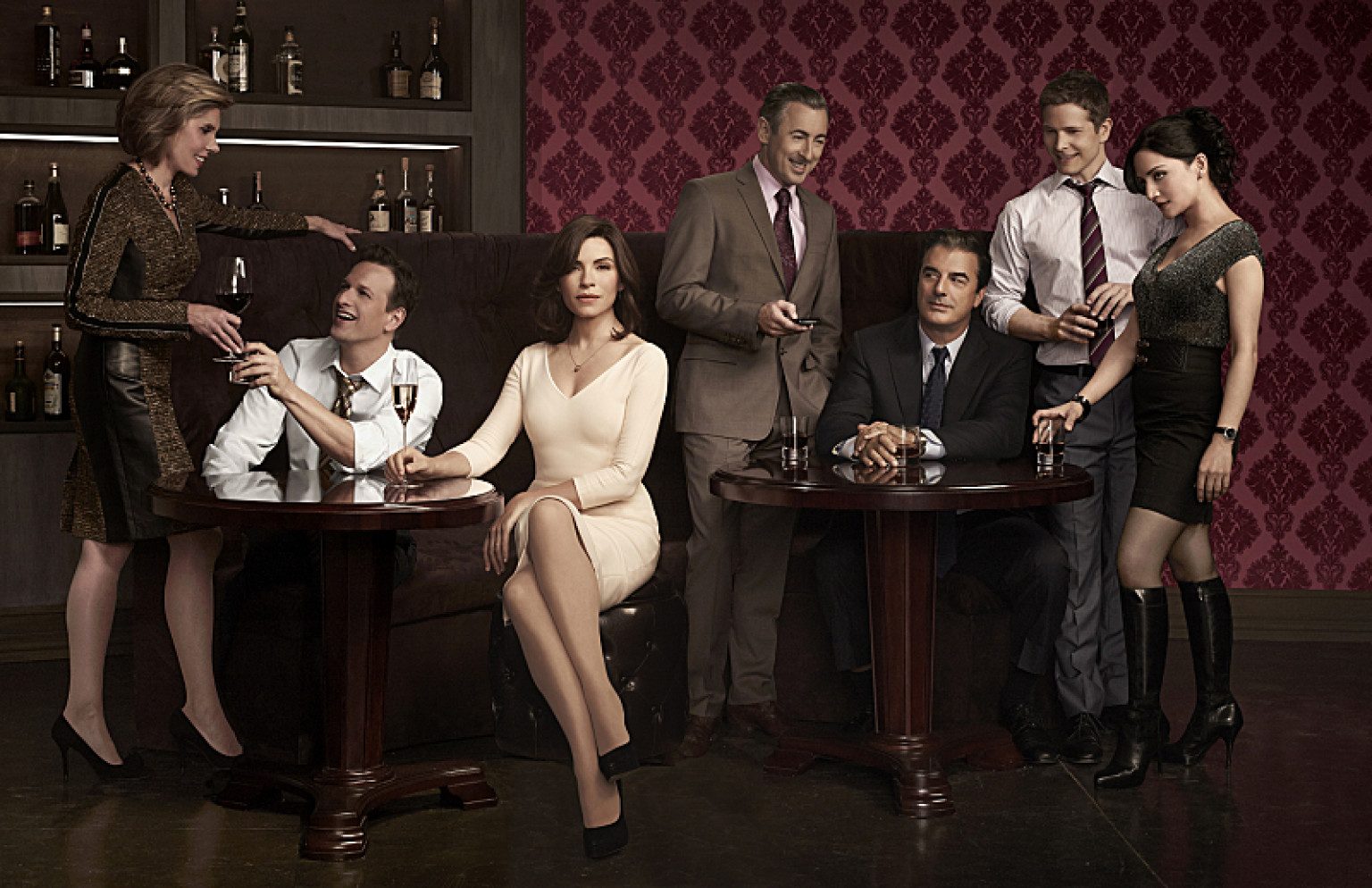
2013 was the year The Good Wife reminded us how good network dramas could be.
It’s time for the conclusion to my look at the best of the television world in 2013. There were plenty of memorable episodes that aired this year that people will be talking about for a long time—episodes that made us laugh, sob, and stay up way too late thinking about them. And whether you’re a one-episode-a-week viewer or a binge-watcher, there’s no denying that 2013 was a year where many great shows hit new heights of excellence.
Top Five Dramatic Episodes:
1. “Hitting the Fan” (The Good Wife)
It’s not often that a show manages to reinvent itself in its fifth season, but that’s exactly what The Good Wife did with this incredible episode. Tensions that had been building for five seasons found release in explosive scenes (Will and Alicia’s confrontation) as well as more controlled moments (Peter and Will’s phone call). Each member of this great cast brought their A-game to this episode, and their excellent performances were heightened by the expert pacing of this episode. “Hitting the Fan” was a bold move and a brave one, and it paid off tremendously for all involved, especially the audience.
2. “The Rains of Castamere” (Game of Thrones)
This episode will always be known by its more colorful moniker, the Red Wedding. The entire hour was a masterpiece of tension and foreboding, keeping audiences on the edges of their seats until the bloodbath began (which was when they moved from the edges of their seats to hiding behind their fingers). The brutal carnage still managed to surprise even those of us who read the books, but my lasting impression of this scene was not one of surprise; it was one of despair. Michelle Fairley made me physically feel Catelyn’s grief and desperation with a ferocity I’ve never experienced as a TV viewer before. This episode was raw and ruthless in its assault on my senses and emotions, and that’s exactly what it was supposed to be.
3. “Ariel” (Once Upon a Time)
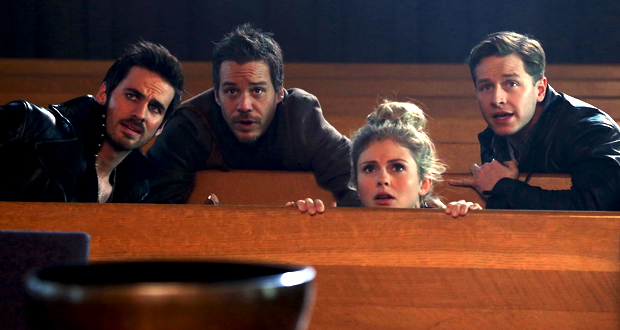
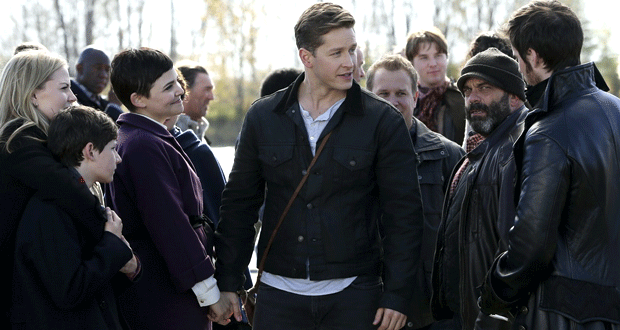
“Ariel” represents what Once Upon a Time is at its best. It featured a faithful spin on a beloved fairytale (in this case, The Little Mermaid) with some fun twists (aka Lana Parrilla getting to channel Ursula); some delicious banter between Parrilla and Robert Carlyle; and some very human drama in the middle of a world of fairytales. Colin O’Donoghue, Ginnifer Goodwin, Josh Dallas, and Jennifer Morrison were at their very best as their characters shared their darkest secrets with one another in the Echo Cave. Each secret’s emotional impact was earned—from the beautiful (Hook’s admission that Emma gave him the hope that he could move on from his past) to the bittersweet (Snow wanting a new baby because her relationship with Emma isn’t what she wanted) to the painful (Emma telling Neal that she wished he was dead so she could finally move on). “Ariel” was a shining example of the emotional power of a television show that’s never been afraid to wear its heart on its sleeve.
4. “The Quarterback” (Glee)
This episode was a respectful, beautiful, and honest way to tell a story no cast should ever have to tell: the death of a friend who left this world far too soon. The emotions ran raw and real—almost intrusively so at times—but “The Quarterback” allowed Glee fans and the cast to mourn together. From the brutally sad moment when Finn’s mother broke down while cleaning out his room to Lea Michele’s devastating rendition of “Make You Feel My Love,” this episode allowed the people who knew Cory Monteith best to share their grief with the fans who loved him, too.
5. “Variations Under Domestication” (Orphan Black)
Great television is all about pacing—finding a balance between tension and release, drama and comedy, emotion and action. “Variations Under Domestication” struck a genius balance between all of those facets as well as between all of the increasingly complicated roles Tatiana Maslany was asked to play. Between all of the twists and turns in this episode (and there were plenty of great ones), I found myself invested in the emotional lives of Cosima and Alison more than ever before. I would have paid to watch a film-length version of this episode in a movie theater—that’s how entertaining it was.


 Nerdy Girl Notes